Accent Walls Done Right: Where They Work and Where They Don't
An accent wall can anchor a room or make it look smaller and unfinished. Here’s how to pick the right wall, the right color, and the details that separate an intentional accent from an afterthought.
What an Accent Wall Is Actually For
An accent wall does one of two jobs: it draws attention to something or it corrects a proportion problem. If yours isn’t doing either, it’s just a differently-colored wall.
That framing decides everything else. Before choosing a color, decide which job you’re hiring it for.
Where Accent Walls Work
Behind a bed. The headboard wall is the natural focal point of a bedroom, and it’s usually uninterrupted by doors and windows. This is the most reliable accent wall in any house.
Behind a fireplace or built-ins. There’s already an architectural feature there. Color reinforces what the room is telling you to look at.
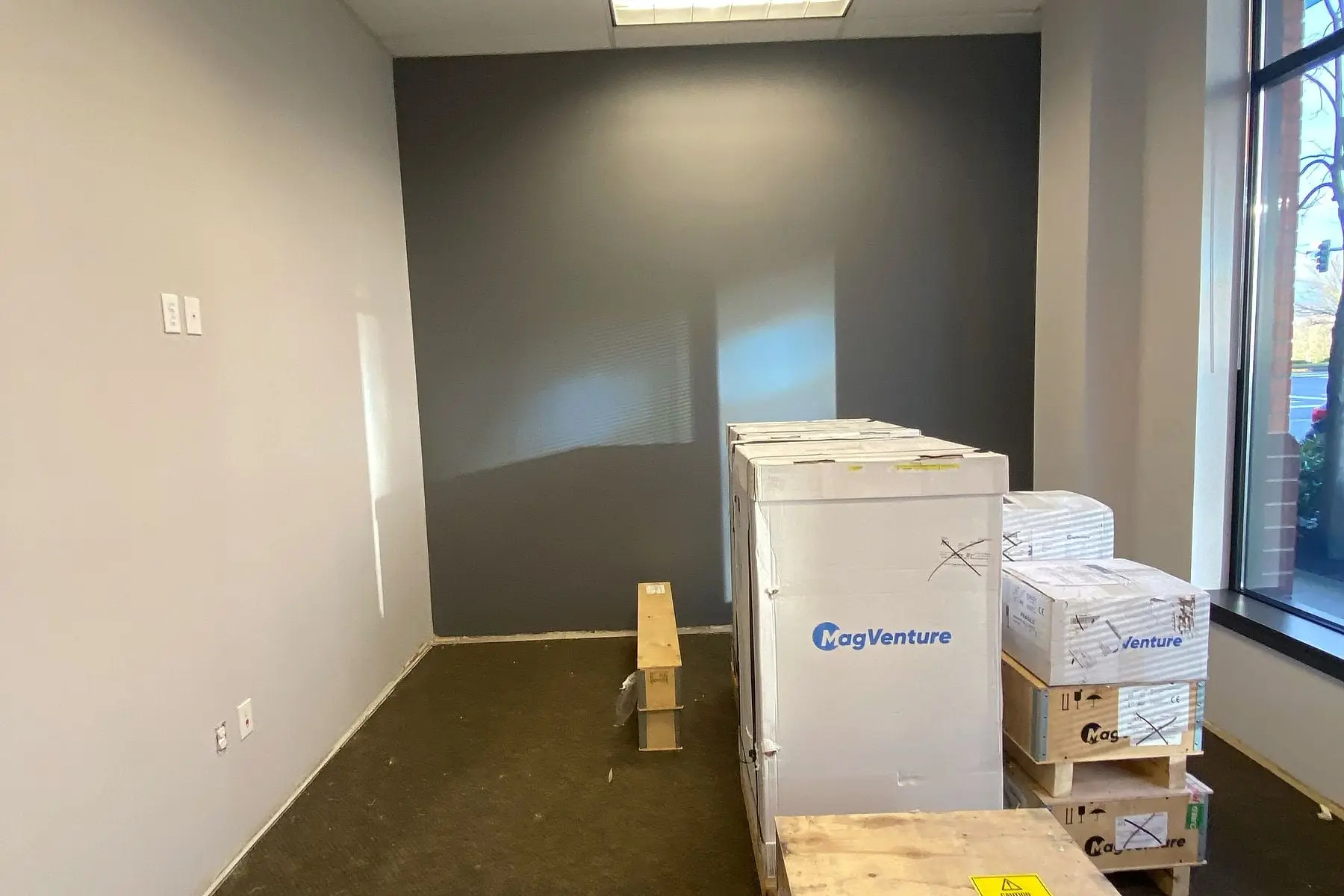
On the far wall of a long, narrow room. A darker color on the short end wall visually pulls it closer, making a bowling-alley room read as more square. This is the proportion fix, and it genuinely works.
In a dining room or powder room. Small rooms you pass through or occupy briefly can take more drama than rooms you spend hours in.
Behind a desk in a home office. Gives video calls depth and gives the room a center.
The best accent wall is usually the one you see first when you walk in, or the one directly opposite the main seating. If you have to explain why a wall is the accent wall, it’s the wrong wall.
Where They Don’t Work
Walls broken up by doors and windows. Color needs a surface to sit on. A wall that’s 40% openings turns an accent into a collection of colored strips.
In small rooms where it’s the only change. A single dark wall in a small bedroom can make the space feel shorter and more closed in, the opposite of what people usually want.
On a wall with nothing on it and nothing near it. With no furniture, art, or feature to anchor, the eye reads it as a mistake.
In open-plan spaces where the wall doesn’t terminate cleanly. If the accent color has to stop at an arbitrary inside corner or die into a soffit, it looks unresolved. The color needs a natural boundary.
Four different accent walls in four rooms. At that point nothing is accented.
Choosing the Color
Stay in the same family, several steps darker. The most consistently successful accent walls are a deeper version of the room’s main color rather than a contrasting hue. It reads intentional instead of arbitrary.
Or go genuinely deep. Charcoal, deep navy, forest green, and near-black all work as accents in a way that mid-tones don’t. Half-measures are what look unfinished.
Test it big. Two-foot square samples on the actual wall, viewed at the times of day you use the room. Deep colors change more between daylight and lamp light than light ones do.
Consider the adjacent walls. The accent has to work against your main color, your trim, and your flooring simultaneously.
The Execution Details That Matter
This is where a professional job separates itself, because the failure points are all at the edges.
The corner line has to be laser straight. A dark-to-light transition at an inside corner shows every waver. This is genuinely difficult freehand.
Two coats minimum, often three on deep colors. Deep bases have less hiding power. A thin dark coat looks patchy under raking light.
Prime if you’re going very dark or covering a very dark color. A tinted primer cuts a coat off the job and gives more even coverage.
Trim stays the trim color. Running the accent onto the baseboard or casing almost always looks like a mistake, unless you’re deliberately doing a full color-drenched room.
Decide about the ceiling. Most accent walls stop at the ceiling line. Carrying the color onto the ceiling is a bolder, more modern move, but it’s a different decision, not an accident.
Key Takeaways
- An accent wall should draw the eye to a feature or fix a proportion; otherwise skip it
- Best candidates: behind the bed, behind a fireplace, or the short end of a long room
- Avoid walls broken up by doors and windows, or walls with no clean stopping point
- Go several steps darker in the same family, or go genuinely deep. Not halfway.
- The corner line and coat count are what make it look professional
Accent walls are usually part of a larger interior refresh. See our interior painting process, or browse finished rooms in our project portfolio.
Common Questions