Choosing the Right Sheen for Every Room in Your Home
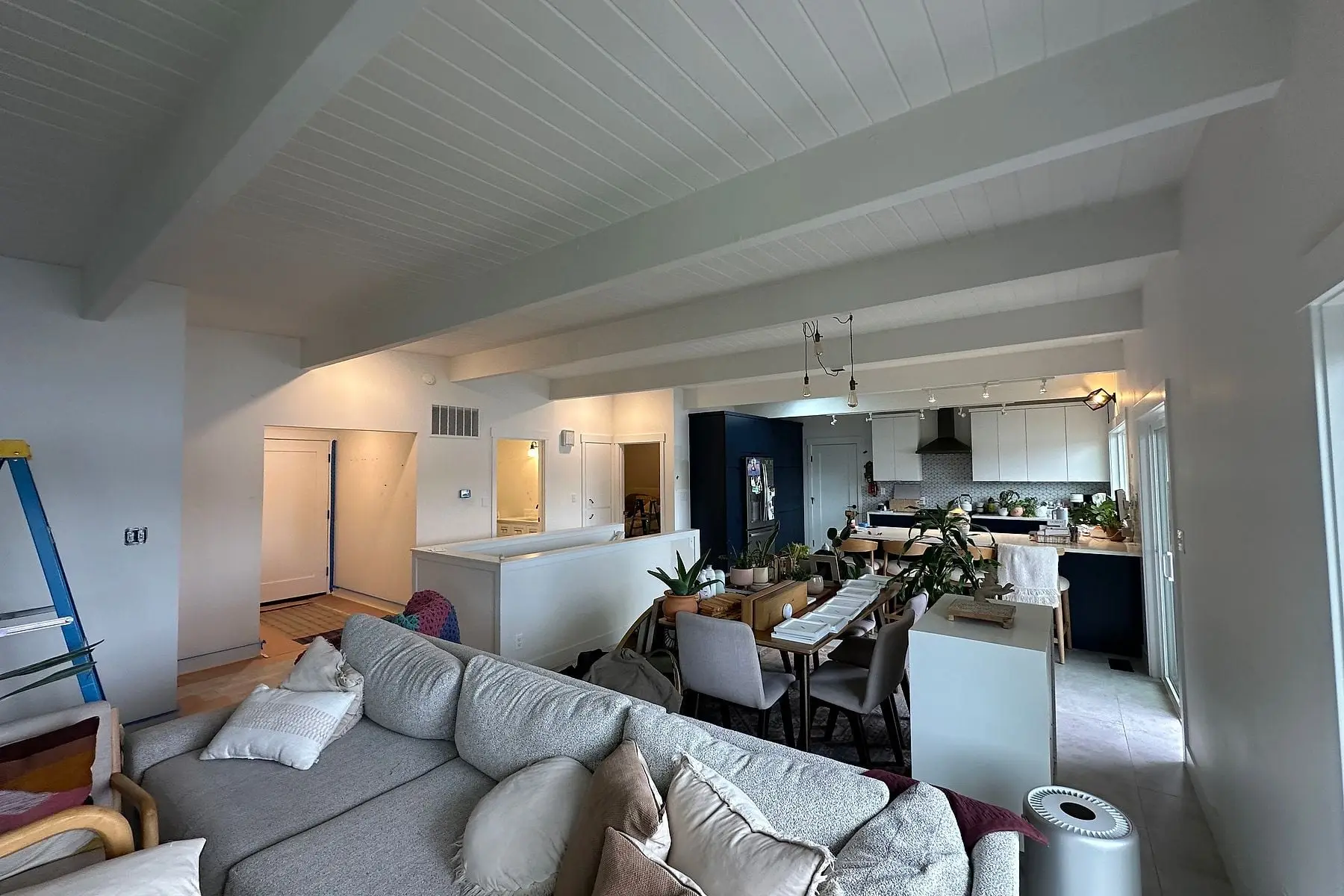
Matte, eggshell, satin, or semi-gloss? Sheen decides how a wall handles scrubbing, how much it shows flaws, and how the room feels. Here’s a room-by-room guide that holds up to daily life.
What Sheen Actually Is
Sheen is how much light a dried paint film reflects. That single property drives three things that matter to you:
Durability. Higher sheen means more resin relative to pigment, which means a harder, more scrubbable film.
Flaw visibility. Reflected light reveals surface imperfections. The flatter the finish, the more it hides drywall texture differences, patches, and settling cracks.
Feel. Flat finishes read soft and absorb light. Glossy finishes read crisp and bounce it around.
Every sheen decision is a trade between those three.
The Five Sheens, Briefly
Flat/Matte. Maximum hiding, minimum durability. Beautiful on ceilings and low-traffic walls. Modern matte formulas are far more washable than they used to be, but they still can’t take repeated scrubbing.
Eggshell. A slight glow. The default for most living spaces: enough durability for normal life, still forgiving on imperfect walls.
Satin. Noticeably reflective and genuinely washable. The workhorse for rooms that see moisture or hands.
Semi-gloss. Hard, scrubbable, and reflective. Trim, doors, and cabinetry territory.
Gloss. Rare on walls. Reserved for statement doors, built-ins, and details you want to draw the eye.
Sheen amplifies whatever is underneath it. If your walls have patches or texture variation, going up in sheen without extra prep will make every one of them visible.
Room by Room
Living rooms and bedrooms: matte or eggshell. Large wall areas, moderate traffic, and the most benefit from hiding imperfections. Eggshell if you have kids or pets; matte if you want the softest look and can be gentle.
Kitchens: satin. Grease, splatter, and frequent wiping. Satin cleans without burnishing, which is what happens when you scrub a flatter finish and leave a shiny spot behind.
Bathrooms: satin. Moisture resistance is the priority. Look for a formulation with mildew resistance, especially in a bathroom with a weak fan. In our climate, that’s a lot of bathrooms.
Hallways, stairwells, and mudrooms: eggshell or satin. These are the highest-contact walls in a house. Satin if the household is busy.
Ceilings: flat, always. Ceilings are lit at a raking angle from windows and fixtures, which makes any sheen highlight every seam and roller mark. Flat is the only right answer.
Trim, doors, and cabinets: semi-gloss or a dedicated enamel. These take direct contact and need to clean up. A good waterborne enamel gives you hardness without the yellowing that old oil-based products had.
Common Mistakes We Fix
Using the same sheen everywhere. It’s simpler for the painter and worse for you. A single satin throughout will make a bedroom feel clinical and show every drywall flaw.
Going glossier to be “more washable” without more prep. You’ll trade a cleaning problem for a permanent visual one.
Flat paint in a kid’s bathroom. It won’t survive the first year.
Skipping the enamel on trim. Wall paint on trim stays soft, marks easily, and blocks, meaning the door sticks to the jamb.
Key Takeaways
- Higher sheen means more durable and more revealing of flaws
- Matte or eggshell for bedrooms and living rooms
- Satin for kitchens, baths, and high-traffic halls
- Flat on every ceiling, no exceptions
- Semi-gloss or a real enamel on trim, doors, and cabinets
Not sure what your walls will tolerate? A walkthrough sorts it out fast. See how we approach interior painting in Bellingham, or the enamel work behind our cabinet finishes.
Common Questions