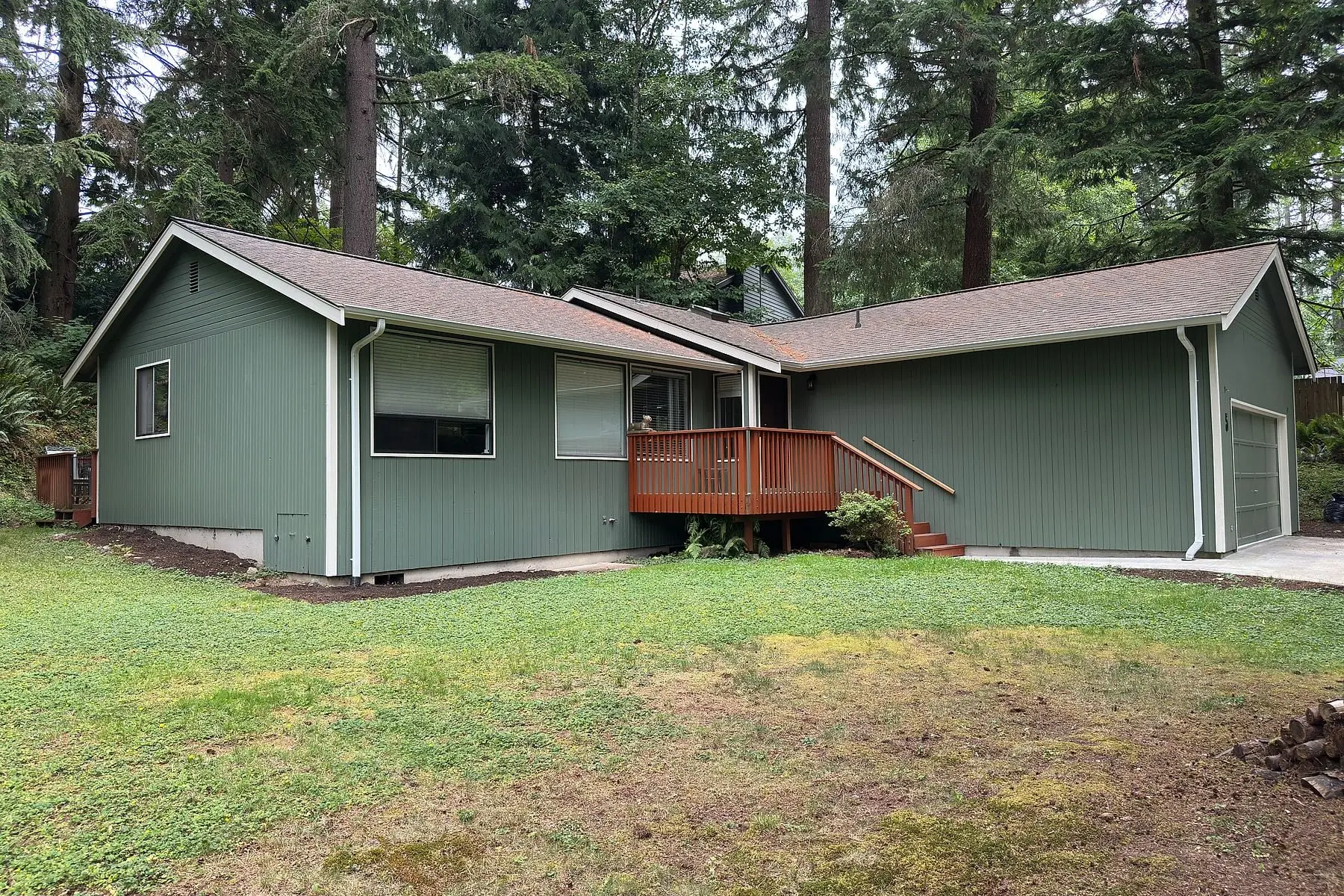
Painting a Pre-1978 Home? What Lead-Safe Practices Mean

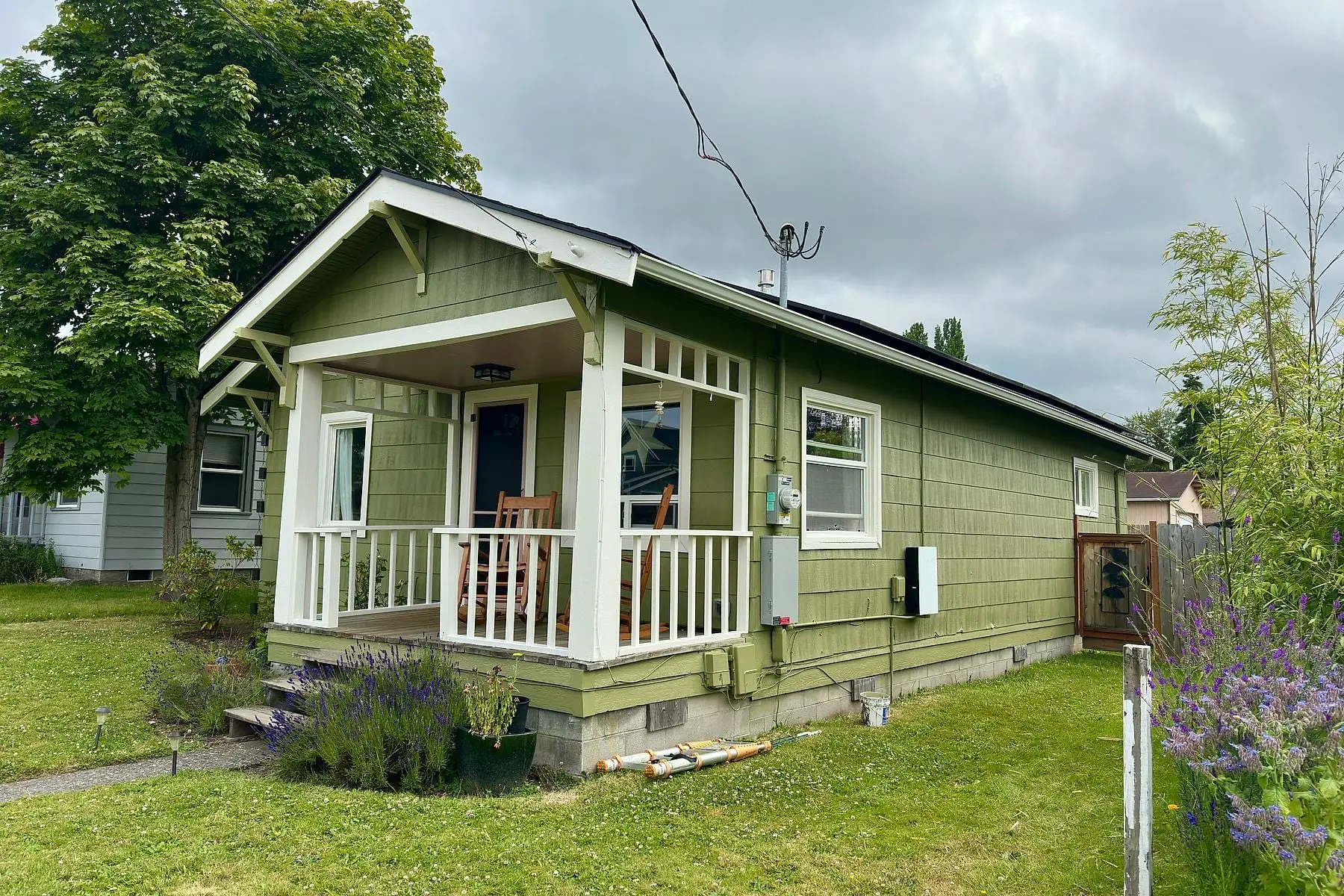
If your house was built before 1978, it may have lead paint, usually under later coats where you can’t see it. You can still paint it. The work just has to be done a certain way, and federal rules spell out how. Below is what that looks like on site, and how to check a contractor before anything starts.
Why 1978 Is the Line
The United States banned lead in consumer paint in 1978. Any home built before then may have lead-based paint somewhere in it, commonly on exterior siding and trim, window sashes, and doors, where the durability of lead paint made it popular.
Bellingham has a lot of these houses. The craftsman bungalows through the older neighborhoods, the farmhouses out in the county, much of the pre-war housing stock. A large share of them predate the ban.
The lead doesn’t have to be on the surface to matter. It’s usually buried under decades of later paint, and it becomes a hazard the moment someone disturbs those layers by sanding, scraping or pressure washing and releases the dust.
What the Rule Requires
The EPA’s Renovation, Repair and Painting rule applies to contractors doing work that disturbs painted surfaces in pre-1978 homes, child-care facilities, and schools.
Under it, the firm must be EPA Lead-Safe Certified, work must be directed by a certified renovator, and the crew must follow specific containment and cleanup practices. Contractors are also required to give you the EPA’s lead-hazard pamphlet before work begins.
Hilltop Painting is an EPA Lead-Safe Certified firm, which is why we’re comfortable taking on the older homes in this area. A large share of our exterior work is on houses well past that 1978 line.
What a Certified Crew Does Differently
You’ll see the difference on site.
Plastic sheeting goes down on the ground, extending well out from the work area and secured at the edges. On an exterior, that sheeting has to catch every chip and every bit of dust before it reaches your soil, garden beds or driveway.
Some methods are off the table: open-flame burning, heat guns above certain temperatures, and uncontained power sanding. Surfaces get misted while they’re scraped, which keeps dust down dramatically compared to dry scraping. Cleanup is done with HEPA vacuums, because a standard shop vacuum passes fine dust straight through the filter and back into the air. HEPA filtration is the requirement.
The work area gets cleaned at the end of each day, not only at the end of the job, and the final cleaning is verified rather than eyeballed. The firm also keeps records of its certification, the practices it used and the pamphlet delivery.
What This Means for Your Project
It costs more. It also takes a little longer, because setting up and breaking down containment every day is real time.
Containment materials, the extra setup and teardown time each day, HEPA equipment and careful cleanup all add labor, so a bid that follows the rule will be higher than one that doesn’t. If you’re getting wildly different numbers on an old house, this is often the reason. A contractor who shrugs at the age of your house isn’t saving you money, though. Uncontained lead dust settles in your soil and your carpets, and your family is the one living with it.
Build both into your expectations so neither one surprises you.
How to Verify Before You Sign
Three checks, and none of them take long:
- Ask for the firm’s EPA Lead-Safe certification and confirm it’s current.
- Verify the contractor’s state license and bond through Washington L&I’s public lookup at secure.lni.wa.gov/verify, which shows licensing status, bond, and any violations.
- Confirm you received the lead pamphlet before work started. It’s required. If you never got one, the firm isn’t following the rule.
We work on pre-1978 homes across the county regularly, and being a certified firm is what lets us do it the right way. If your house is one of them, our lead-safe painting page is the place to start. Older homes also get their own page under historic exterior painting, and you can read how we handle exterior prep.
Common Questions