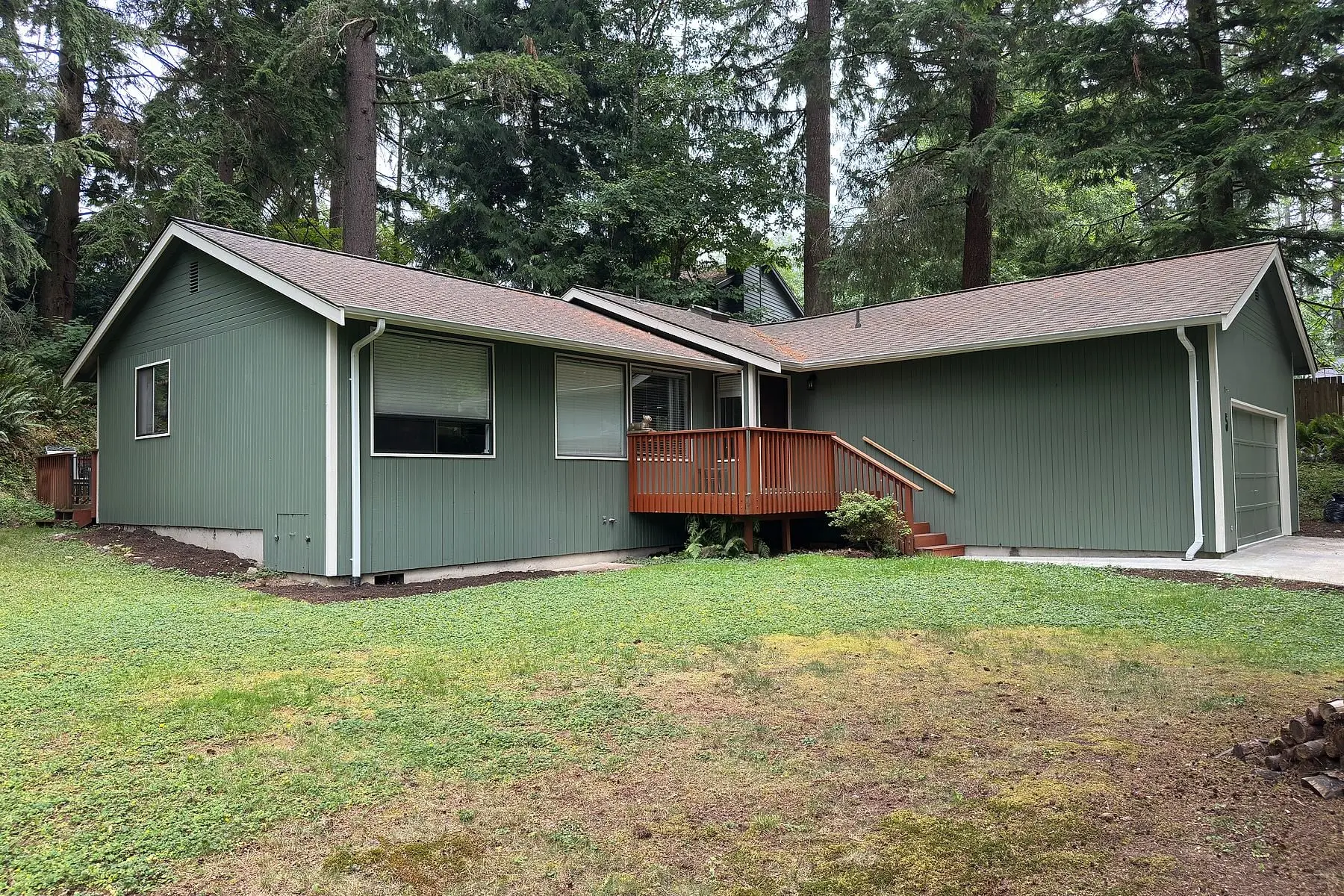
Paint vs. Replace: The Honest Math on Kitchen Cabinets
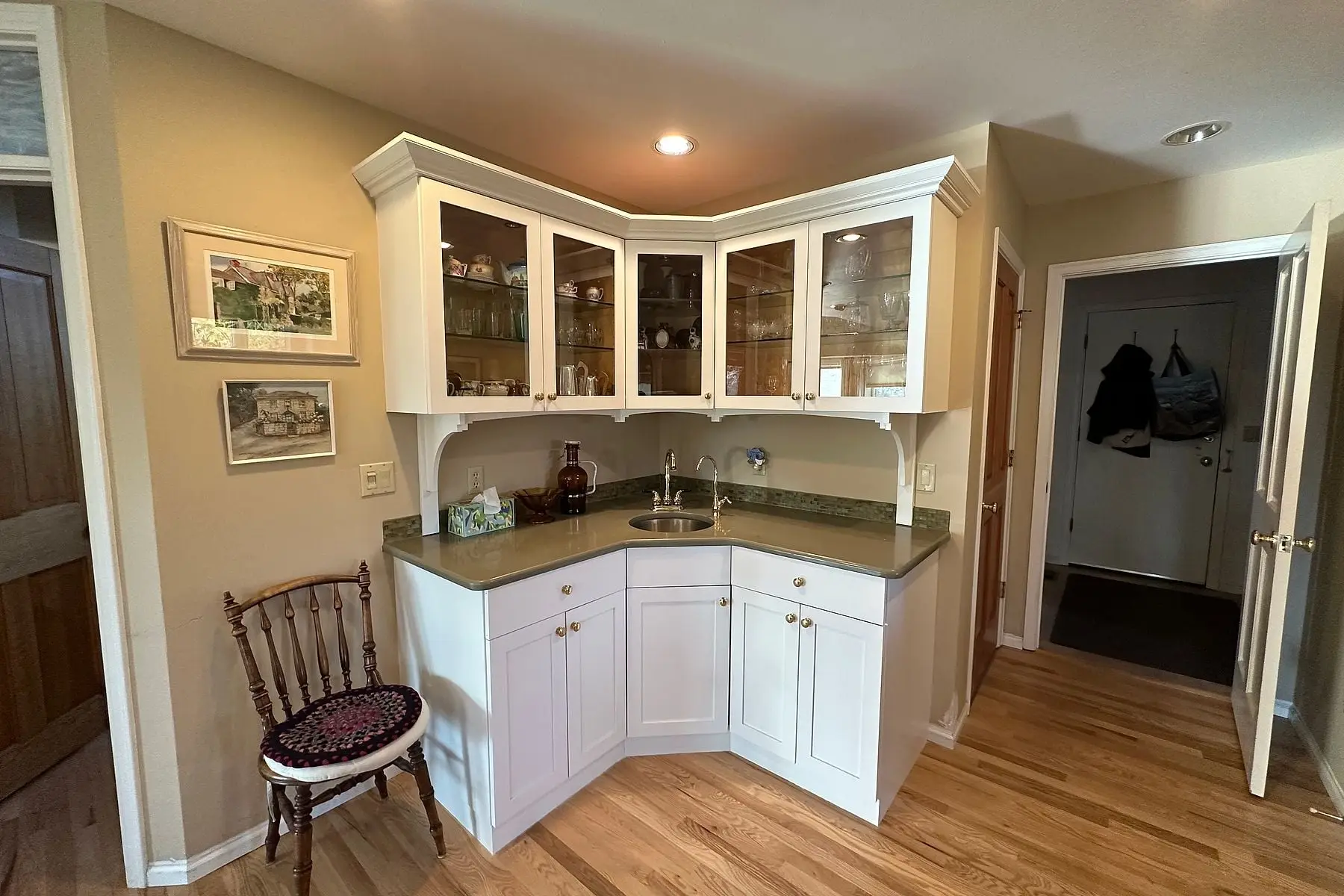
New cabinets cost several times what refinishing does. Here’s when painting is clearly the smarter move, when replacement genuinely wins, and what separates a sprayed finish that lasts from one that chips in a year.
The Cost Gap Is Bigger Than Most People Expect
A full cabinet replacement in a typical kitchen means new boxes, new doors, new hardware, demolition, disposal, countertop removal and reset, and usually some plumbing and electrical work. Refinishing touches none of that. It’s labor, materials, and time.
The gap is generally three to five times, and often wider once the surrounding trades get pulled in. That’s the whole reason the question is worth asking before you assume replacement is the only path to a new-looking kitchen.
When Refinishing Is Clearly the Right Call
Painting wins when the boxes are sound and the layout works. Specifically:
- Solid wood or quality plywood boxes with no water damage or delamination
- Doors and drawer fronts that aren’t warped or cracked
- Hinges and slides that still operate smoothly, or that you’re happy to replace on their own
- A layout you actually like, where you want a different color, not a different kitchen
Oak cabinets from the 80s and 90s are the classic case. The construction is often better than what you’d buy today at the same price, and the only real problem is the finish and the grain.
Open a door and look at the box interior and the back edge. If the material is swollen or flaking near the sink, that’s water damage, and no finish will fix it.
When You Should Replace Instead
We’ll tell you to replace when:
- The boxes are particleboard that has swollen or crumbled, especially under the sink
- Doors are warped enough that they won’t sit flush
- The layout genuinely doesn’t work and you’re changing the footprint anyway
- You want a door style that’s fundamentally different from what’s there
Painting a failing box is money spent on a surface attached to a problem. An honest painter will say so.
What a Real Cabinet Finish Involves
This is where the difference between a durable finish and a disappointing one lives, and it’s almost entirely about process.
Degreasing. Kitchen cabinets carry cooking residue, especially above the range. Anything painted over grease will fail, no matter how good the coating.
Deglossing and sanding. Existing finishes are designed to repel things. The surface has to be mechanically abraded so the new coating has something to grip.
Bonding primer. This is the layer doing the real adhesion work, and the step most often skipped or thinned out on cheap bids.
Sprayed topcoats. Brushing cabinets leaves brush marks in a surface people touch and look at from six inches away. Sprayed enamel is what produces the factory-smooth look that makes a refinish worth doing.
Cure time. The finish is dry to the touch in hours and fully hardened in days to weeks. Reinstalling and slamming doors too early is a common way to damage a good finish.
How Long a Sprayed Finish Lasts
A properly prepped, sprayed cabinet finish holds up for years of daily kitchen use, and when it does eventually show wear, it’s usually on a couple of high-traffic doors rather than everywhere at once. That’s a touch-up, not a redo.
Compare that to a rolled or brushed job over inadequate prep, which typically starts chipping at the edges and around handles within the first year.
Key Takeaways
- Refinishing typically costs a fraction of replacement, often three to five times less
- Sound boxes plus a layout you like means painting is almost always the better value
- Swollen particleboard, warped doors, or a layout change means replace
- Degreasing, deglossing, bonding primer, and spraying are the four steps that matter
- A sprayed finish wears at the touch points first, which makes it repairable
If you’re weighing the two, a walkthrough settles it quickly, and we’ll tell you honestly which one your kitchen calls for. See our cabinet painting process, or read about the interior work that often happens alongside it.
Common Questions