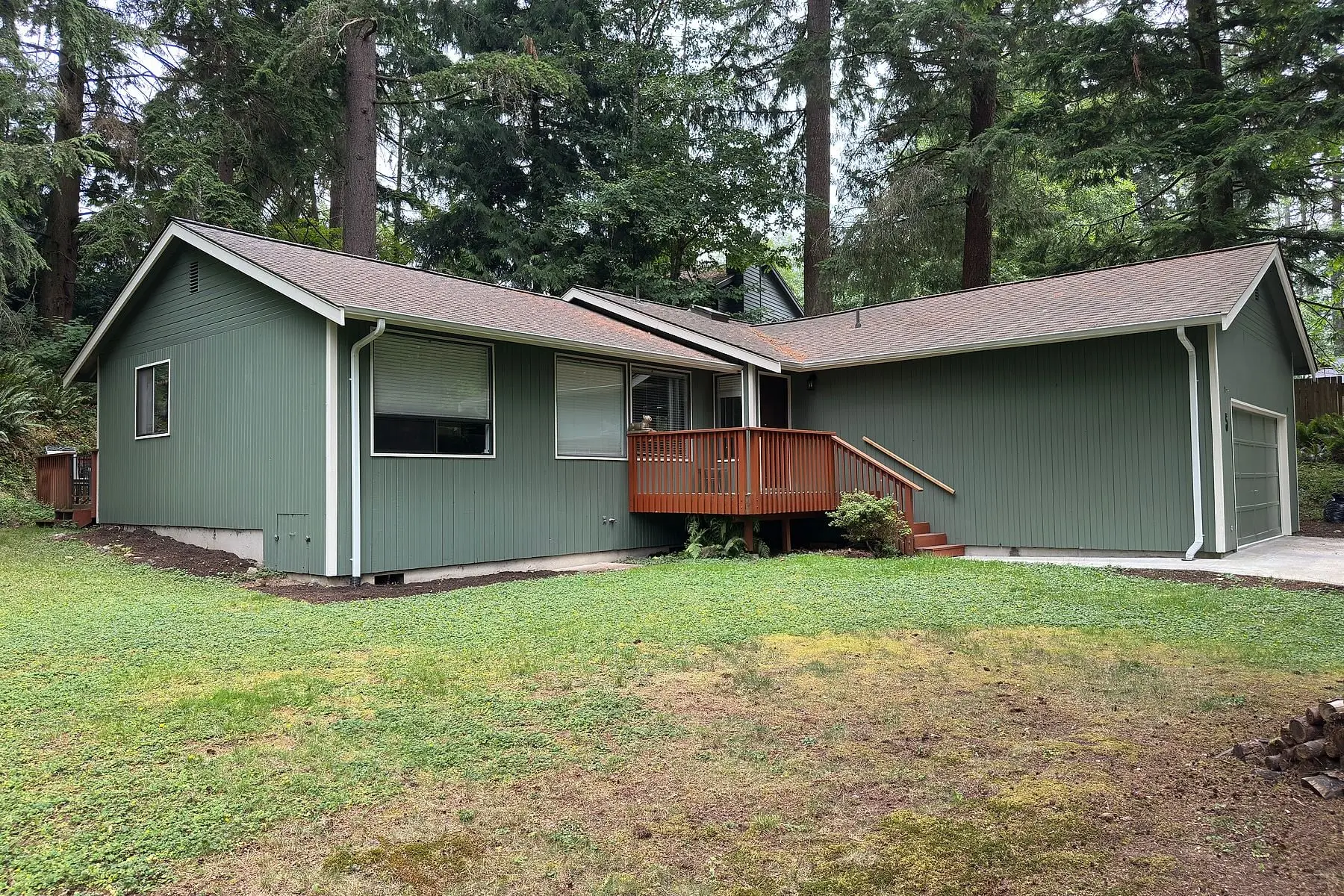
Why Exterior Paint Peels, and How Proper Prep Prevents It
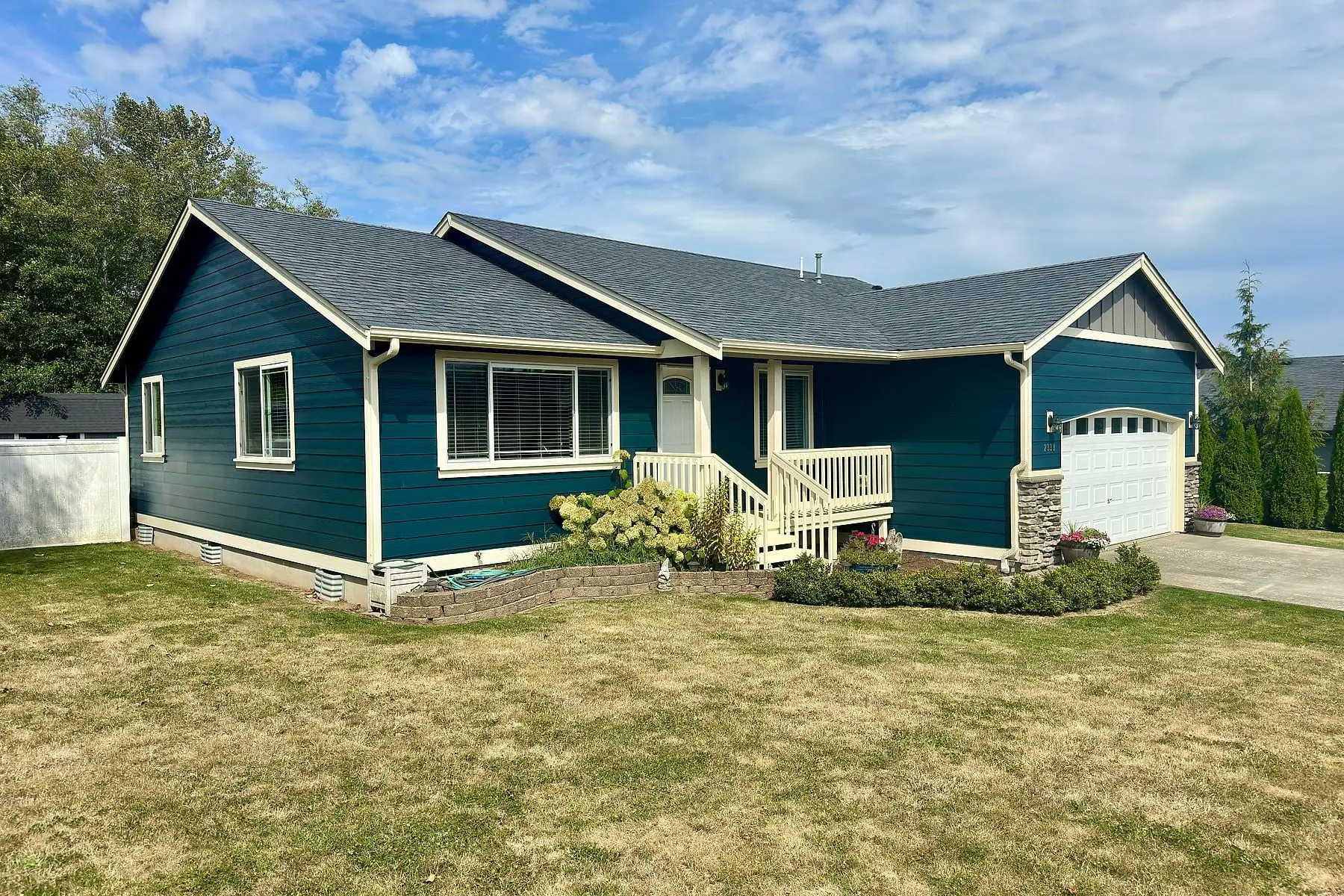
Peeling paint is almost never a paint problem. It is a prep and moisture problem. Here’s what actually causes failure in our climate, the prep sequence that prevents it, and how to compare bids on the part you can’t see.
The Real Reasons Paint Fails
Paint peels when it loses its grip on the surface underneath. In Whatcom County, four causes account for nearly everything we see.
Moisture from behind. Water getting into the siding from a failed gutter, missing flashing, or a leak finds its way out through the wood and pushes the paint film off as it goes. This is the single most common cause here, and it’s why the failure is often concentrated on one wall or under one roofline.
Painting over a dirty or chalky surface. Older exterior paints break down into a fine powder as they weather. Coating over that chalk is like painting over dust. It looks fine for a season and then releases in sheets.
Painting wood that hadn’t dried. Pressure washing is standard prep, but siding needs real drying time afterward. Sealing moisture into wood guarantees a bond failure later.
Bare wood left unprimed. Every square inch of exposed wood needs primer. Skipping spot-priming is fast, invisible on day one, and the reason a job fails in year two.
If paint is peeling in sheets down to bare wood on one wall only, look up. A gutter or flashing problem above is almost always the true cause, and repainting without fixing it just resets the clock.
Reading Your Own Siding
You can diagnose a lot from the ground.
Peeling down to bare wood means a moisture or priming problem: the coating never bonded to the substrate.
Peeling that leaves paint behind, one layer lifting off another, means an adhesion problem between coats, usually from painting over chalk or gloss without deglossing.
Bubbles that appear on sunny afternoons are moisture vaporizing under the film.
Fine cracking in a grid pattern is an aging film that’s lost flexibility. That’s normal end-of-life, and a good candidate for a full repaint.
What Proper Prep Actually Looks Like
Our sequence on an exterior:
- Pressure wash the full envelope to remove dirt, chalk, moss, and mildew.
- Let it dry for at least 48 hours, longer in shaded areas or cool weather.
- Scrape all failing paint back to a sound edge.
- Sand those edges so the transition won’t telegraph through the finish.
- Spot-prime every inch of bare wood, typically with a bonding primer built for chalky and marginal surfaces.
- Re-caulk gaps at trim, windows, corner boards, and joints. Those are the places water gets in.
- Repair rot where it exists. Paint does not fix wood that’s already failing.
That’s typically 40–50% of the labor on an exterior job. It’s also the part that’s invisible the day the crew leaves, which is precisely why it’s the first thing a cut-rate bid removes.
How to Compare Bids on Prep
Two bids on the same house can differ by thousands, and the difference is almost never the paint. Ask every bidder to put their prep in writing:
- How is the house washed, and how long does it dry before painting?
- Which surfaces get scraped, and how far back?
- What primer, and on which areas?
- Is caulking included, and where?
- What happens if rot is found? Is it a change order, and at what rate?
A contractor who answers those specifically is telling you where your money goes. One who says “we do full prep” without detail is telling you something too.
Fixing It Right the Second Time
If your paint is already peeling, resist the urge to just get it recoated cheaply. The sequence that actually resolves it: find and fix the water source, let the wood dry, take the failing paint back to sound material, prime the bare areas, and then repaint. Skipping the first step means doing all of it again in two years.
Key Takeaways
- Peeling is a moisture and prep problem, not a paint-quality problem
- Peeling on one wall usually points to a gutter or flashing failure above it
- Siding needs 48+ hours of drying after washing before any coating
- Every inch of bare wood must be primed
- Prep is 40 to 50% of exterior labor, so compare bids on the written prep steps, not the total
If your paint is already lifting, the fix starts with honest prep, and sometimes carpentry repair for the wood underneath. Our approach to exterior house painting in Bellingham covers both, backed by a 36-month craftsmanship warranty.
Common Questions